

Dental implants have transformed the lives of thousands of patients across Luton and Bedford. However, they are not suitable for everyone. Although it is rare, there are a few situations in which you may wish to consider an alternative.
We’ve written this guide for anyone thinking of having implant surgery, so that you can make an informed decision about your health.
How do dental implants work?
To understand why someone might not be suitable for implants, it’s helpful to know how they work.
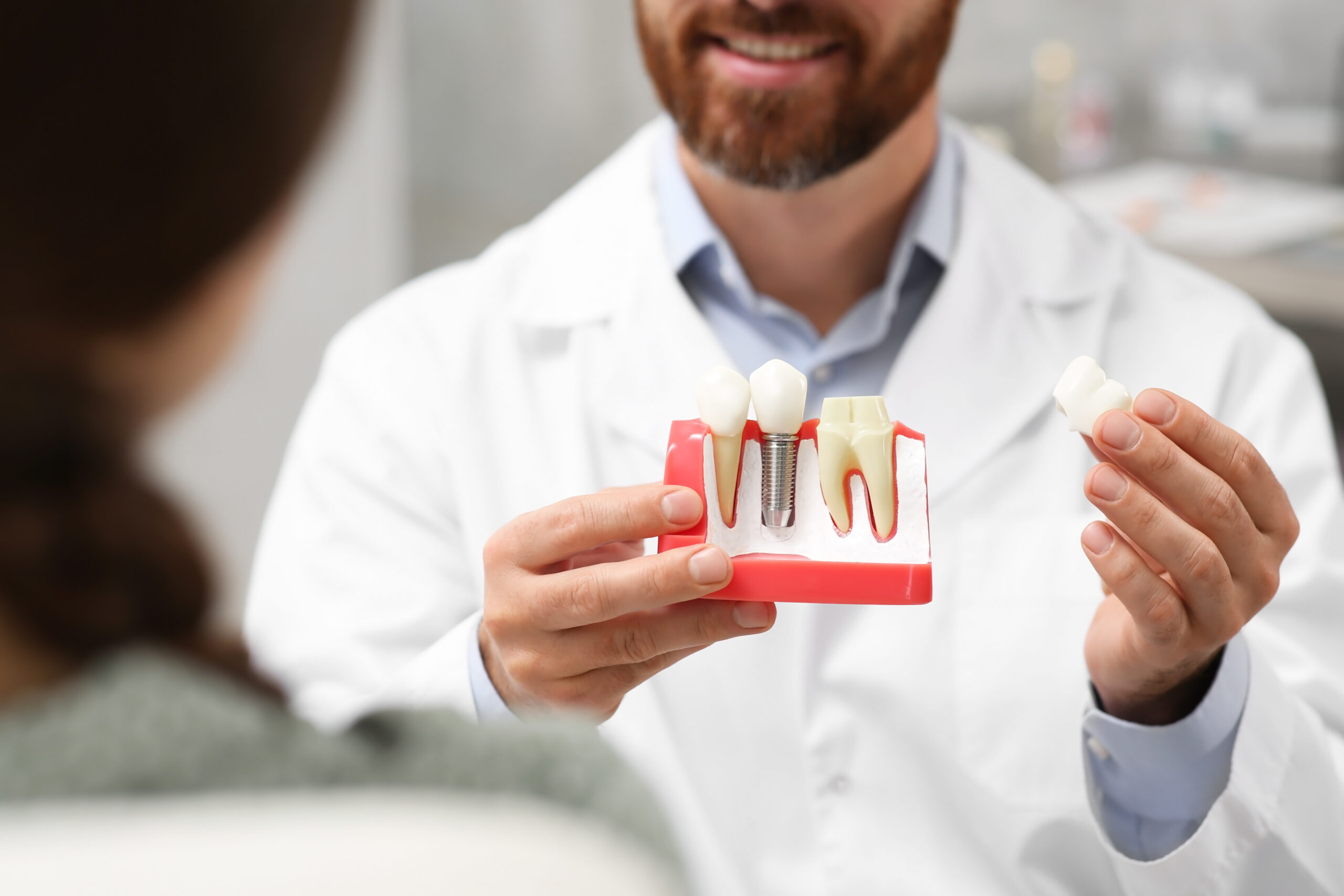
If you have dental implants, a small titanium screw will be inserted into your jawbone under local anaesthetic. Over time, your implant will fuse with the bone, a process called osseointegration. If you have suffered bone loss or have certain medical conditions, this can lessen the chance that the implant will work.
Dr Uzman will always offer honest advice based on your health needs and treatment goals, with no obligation and no pressure.
Patients who may not be suitable for implants
- People with severe bone loss
Teeth naturally stimulate the jawbone when they chew, and missing a tooth or teeth can lead to the bone deteriorating or being lost in the area. If you have low bone density, this means that your implants might not be able to be securely placed.
Loss of bone density can also occur if you have had radiotherapy on your jaw.
However, the good news is that this can often be treated with a sinus lift or bone graft. During your consultation, Dr Uzman will take X-rays and 3D scans to assess whether this could be an option for you. Some implant types, such as All-on-4, may be more suitable for patients with low bone density.
- Smokers
Smoking cigarettes and other tobacco products can lengthen the time that dental implants take to heal and can also increase the risk of infection. Chemicals in cigarette smoke also affect blood flow to the gums.
While smoking does not necessarily rule out implants altogether, giving up smoking is one of the best things you can do for your dental health. Dr Uzman strongly recommends avoiding smoking before and after your surgery to assist the healing process. If you think this may be a problem, please let us know so that we can offer personalised support.
- Heavy teeth grinders
If you grind your teeth heavily (bruxism), you may put pressure on or damage your implant. Although this does not necessarily rule out having implants, we may recommend having a custom night guard to protect your teeth at night. Some implant types, including All-on-6, can often withstand stronger forces; Dr Uzman can advise you.
- People with poorly controlled diabetes
If you have diabetes, especially if it is not well controlled, this can increase your risk of infection and slow down the healing phase, increasing the chance of implant failure.
However, diabetes does not necessarily rule out getting implants altogether. If you are in good health and your blood sugar levels are under control, getting implants should still be possible.
- Patients with gum disease
Dental implants need healthy bone and gums to secure. If you have gum disease (also known as periodontal disease), it must be treated before you have implant surgery or your implant could fail.
If you have gum disease, we can help you treat it before you have your dental implants.
- Under-18s
We generally do not recommend implants for patients under 18. Because your jaw is still growing, fitting implants can lead to complications as the jaw changes shape; you may need a dental bridge or dentures until your bone is fully developed.
- Patients with some medical conditions
People with some health conditions, or are on particular medications, may not be suitable for implants. Some of these situations include:
- Blood clotting disorders
- Auto-immune disorders (for example, rheumatoid arthritis)
- Patients with osteoporosis who take biphosphonates
- Cancer treatment, including chemotherapy or radiotherapy to the head, jaw and neck
However, it is important to remember that if any of these apply to you, this does not necessarily rule implants out, either now or in future, and we still encourage you to come for a consultation.
While the procedure may take a little longer, and you may need a bone graft or sinus lift, it is often still possible to fit implants following a review of your medical and dental history. We may work with your GP or consultant during your treatment to work out the safest option.